Immune response
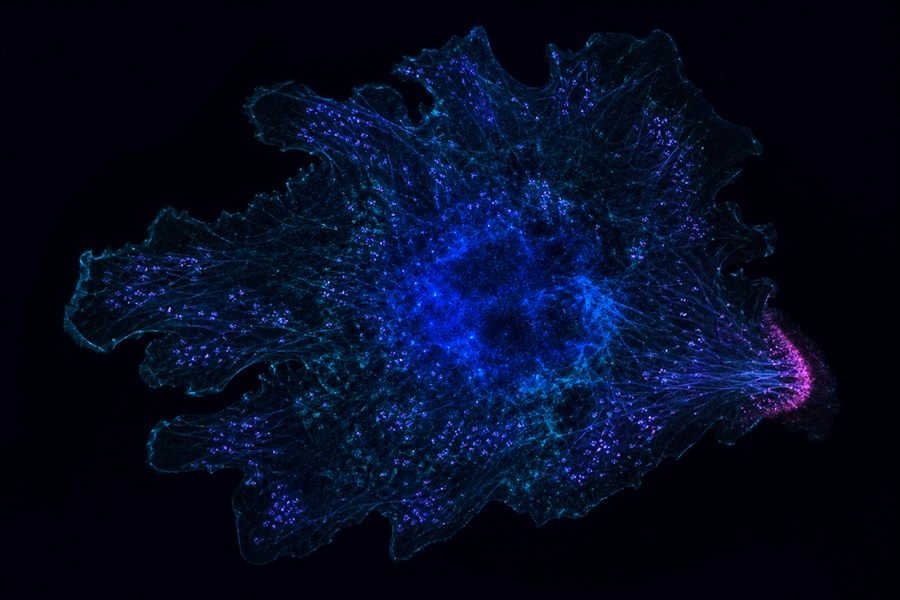
How is signalling organised at immune-cell interfaces?
Immune responses emerge from signals assembled and remodelled in specific cellular locations. We investigate how molecular activity is coordinated in macrophages, podosomes and immune synapses, and how local organisation shapes cell behaviour.
Neuronal activation
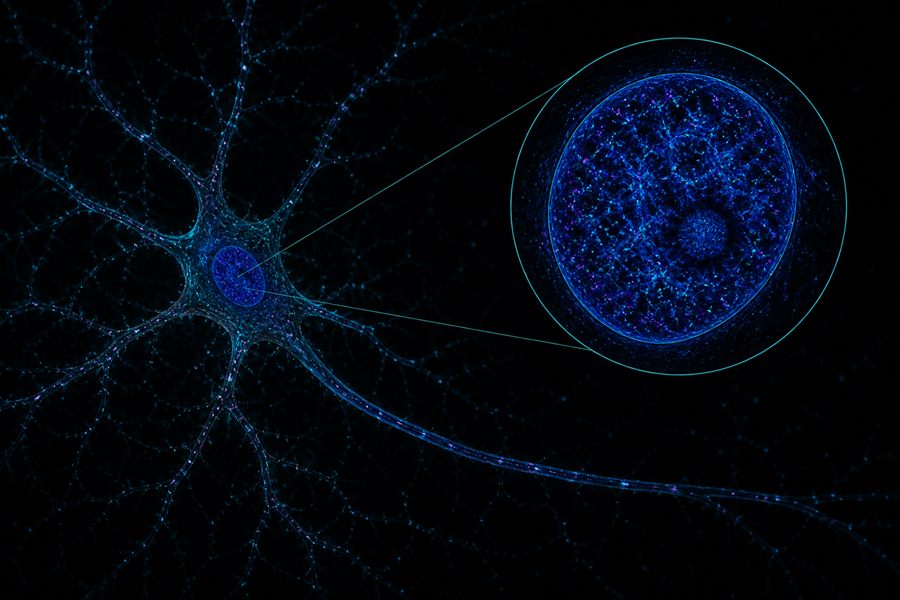
How does activity reorganise the neuronal nucleus?
Neuronal activation reaches beyond the membrane and cytoplasm to reshape molecular organisation inside the nucleus. We study how phosphorylation and biomolecular condensation influence nuclear speckles, nucleolar organisation and other dynamic nuclear states.
Mechanobiology
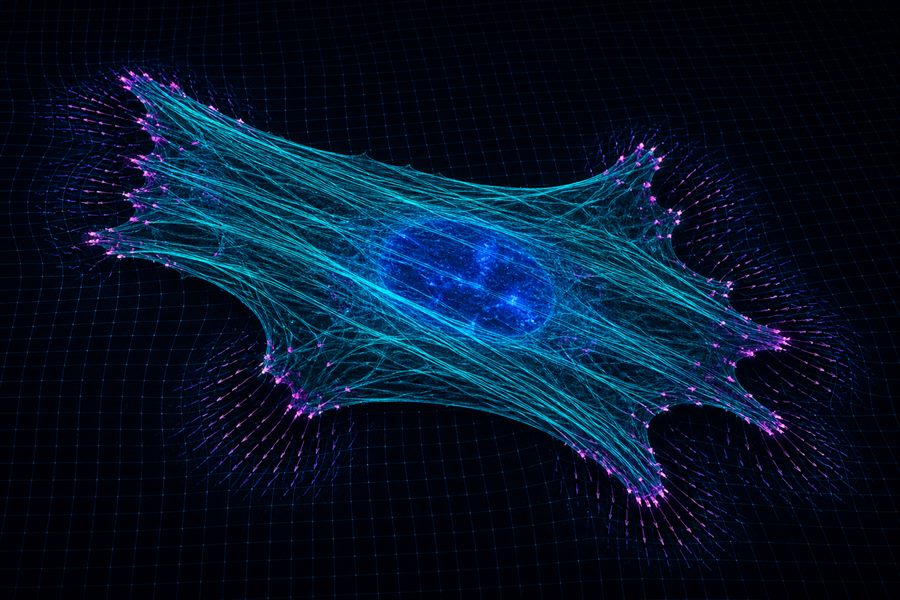
How do physical forces become biochemical information?
Cells experience force through adhesion, cytoskeletal tension, membrane deformation and the surrounding matrix. We study how these physical inputs reorganise molecular states and propagate from force-bearing structures toward cellular decisions.
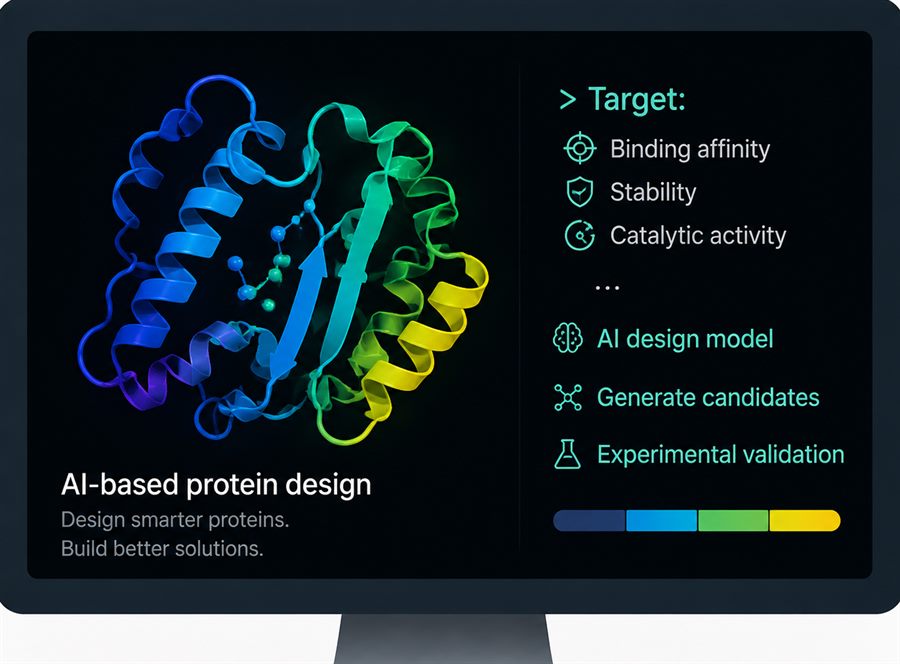
Protein design
Can we design the molecules we need to watch and steer cells?
We design biosensors, actuators and binders computationally, then test them directly in living cells — closing the loop between what a measurement requires and what a molecule can do.